Source Euro Diesel Dump Truck with Air Suspension Seat for Construction, Mining, and Towing
Compare 30 euro diesel dump truck with air suspension seat options featuring varying load capacities, engine types, and transmission systems. Buyers can evaluate specifications including horsepower, fuel tank size, and tire certifications for diverse industrial applications.
Key considerations
Products List


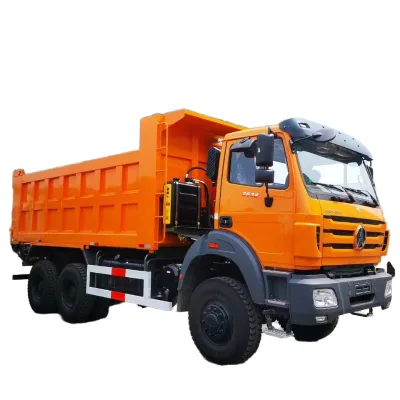


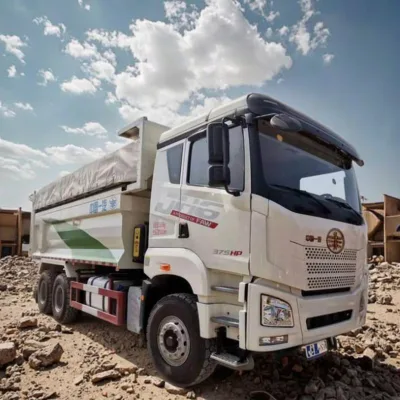
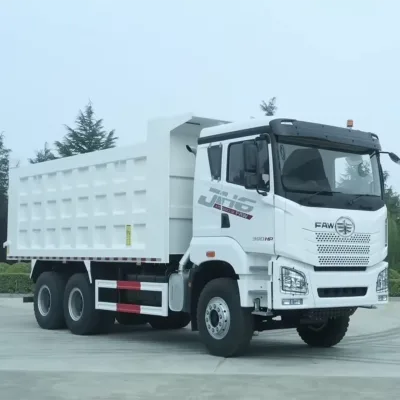
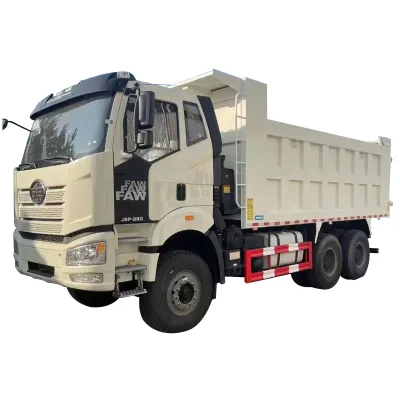
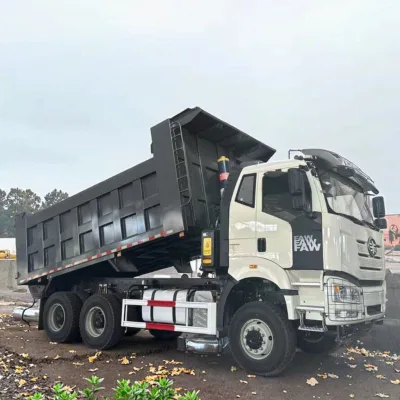


Comprehensive Sourcing Guide
Strategic Sourcing Guide for Euro Diesel Dump Trucks with Air Suspension Seats
The global demand for heavy-duty construction and mining equipment continues to rise, with a specific focus on vehicles that balance high load capacity with operator comfort and regulatory compliance. For procurement professionals targeting a Euro diesel dump truck equipped with an air suspension seat, the sourcing landscape requires a rigorous, evidence-based approach. This guide synthesizes available market data and technical specifications to provide a structured framework for evaluating potential suppliers and units. The primary objective is to ensure that the selected vehicle meets the operational demands of heavy hauling while adhering to strict emission standards and safety certifications.
Technical Architecture and Powertrain Specifications
When evaluating a Euro diesel dump truck, the powertrain configuration is the foundational element that dictates performance, fuel efficiency, and longevity. Based on observed market data, the target segment frequently features engines with capacities exceeding 8 liters, delivering horsepower ratings in the 351-450hp range. This power band is essential for handling the significant torque requirements associated with heavy loads, particularly in the 31-40 ton or 40-60 ton capacity categories. The transmission systems observed in this segment vary between manual and automatic configurations, with specific models utilizing robust gearboxes like the Hw19710 to manage the high torque output, which can range from 2000 to 2500 Nm.
The drive wheel configuration is another critical technical variable. While 4x2 configurations exist for lighter duties, the heavy-duty dump truck market predominantly utilizes 6x4 and 8x4 drive arrangements. These configurations provide the necessary traction and stability for off-road and construction environments. The engine brand is a significant factor in reliability, with established manufacturers like Weichai appearing frequently in the supply chain for these high-capacity units. Furthermore, the fuel tank capacity is a vital operational parameter, with observed ranges spanning from 300-400 liters up to 1000 liters, allowing for extended operation in remote locations without frequent refueling stops.
| Technical Attribute | Observed Range / Configuration | Operational Implication |
|---|---|---|
| Engine Capacity | >8 Liters | High torque for heavy loads (31-60t) |
| Horsepower | 351-450hp | Suitable for steep grades and full loads |
| Drive Wheel | 6x4, 8x4 | Enhanced traction and stability |
| Transmission | Manual / Automatic | Manual offers control; Automatic offers ease |
| Fuel Tank | 300L - 1000L | Extended range for remote sites |
| Torque | 2000-2500 Nm | Critical for starting heavy loads |
Compliance, Emission Standards, and Certification
Navigating the regulatory landscape is perhaps the most complex aspect of sourcing a Euro diesel dump truck. The term "Euro" in the keyword implies adherence to specific emission standards, yet the observed data presents a nuanced picture. While some listings reference "Euro" standards, others explicitly state "Zero Emission" or "Euro Engine Capacity" alongside diesel specifications. This discrepancy highlights the necessity for buyers to verify the exact emission standard applicable to the specific unit and the target market of operation. Buyers must confirm whether the vehicle meets Euro V, Euro VI, or other regional equivalents, as non-compliance can lead to significant operational restrictions or fines.
Certification is equally critical for international trade and local registration. The observed data indicates that tires and vehicles often carry certifications such as ECE, GCC, ISO, and DOT. These certifications validate that the vehicle components meet international safety and quality benchmarks. For instance, the tire design is observed to be both tubeless and radial, which are standard requirements for heavy-duty applications to ensure durability and heat dissipation. The cargo box material is typically carbon steel, chosen for its strength and resistance to abrasion during dumping operations. Buyers must ensure that the supplier can provide valid documentation for these certifications, specifically verifying that the "Zero Emission" claims, if present, align with the diesel powertrain description, or that the vehicle strictly adheres to the relevant Euro diesel emission norms for the destination country.
Operational Applications and Load Capacity Analysis
The utility of a Euro diesel dump truck is defined by its intended application and load capacity. The market data reveals a wide spectrum of usage scenarios, ranging from general construction to specialized towing and semi-trailer operations. The load capacity varies significantly, with observed categories including 1-10 tons, 11-20 tons, 21-30 tons, and heavy-duty classes of 31-40 tons and 40-60 tons. This variance suggests that the "Euro diesel dump truck" is not a single monolithic product but a class of vehicles where the specific model must be matched to the project's volume requirements.
For projects requiring the transport of bulk materials like sand, gravel, or ore, the 40-60 ton capacity models are often the preferred choice. These units typically feature a dumping type of front lifting style, which allows for efficient unloading in confined spaces. The cab configuration, such as the Hw76 model observed in the data, is designed to accommodate the driver for long shifts, often featuring an air suspension seat to mitigate fatigue. The steering system is predominantly hydraulic with power assistance, ensuring precise control even when the vehicle is fully loaded. Understanding the specific load requirements of the procurement project is essential, as selecting a truck with insufficient capacity can lead to operational inefficiencies, while over-specifying can result in unnecessary capital expenditure and fuel costs.
Cost Drivers and Pricing Dynamics
The pricing of heavy-duty dump trucks is influenced by a complex interplay of factors, including engine power, transmission type, emission compliance, and customization options. The observed price range in the market spans from $700 to $79,999 USD, a wide disparity that reflects differences in vehicle condition, age, and specification levels. New units with advanced features like air suspension seats, high-horsepower engines, and strict emission compliance will naturally command prices at the higher end of this spectrum. Conversely, units with lower specifications or those marketed as "nude packing" (unpainted or minimally prepared) may fall into the lower price brackets.
Customization is a significant cost driver. The data confirms that customization is available for various attributes, including color, fuel tank capacity, and specific model configurations. Buyers should anticipate that adding customizations, such as specific tire certifications or specialized cargo box materials, will increase the base cost. Additionally, the origin of the vehicle, often cited as China (specifically Liangshan or Shandong), plays a role in the final landed cost, factoring in logistics, tariffs, and import duties. The minimum order quantity (MOQ) is observed to be 1 unit, which offers flexibility for buyers who do not require fleet-wide purchases immediately. However, buyers must carefully evaluate the total cost of ownership, including maintenance, fuel consumption, and potential downtime, rather than focusing solely on the initial purchase price.
Supplier Evaluation and Quality Assurance
Selecting the right supplier is paramount to ensuring the reliability and longevity of the procured equipment. While specific supplier names should not be highlighted, the evaluation criteria must be rigorous. Buyers should prioritize suppliers who can demonstrate a clear track record of providing vehicles that meet the observed technical specifications, such as the 371HP engine or the specific transmission models. The origin of the vehicle, particularly from manufacturing hubs like Shandong, suggests a concentration of industrial capability, but verification of the supplier's quality control processes is essential.
Quality assurance should extend beyond the initial inspection to include a review of the production standards. The data references various standards, including "standard" and specific model numbers like BJ3319Y6GRL-01 or TZ3E. Buyers must verify that the supplier adheres to these standards consistently. The condition of the vehicle is listed as "New," but this should be confirmed through physical inspection or third-party verification. Furthermore, the packing method, whether "nude packing" or "bulk," should be assessed to ensure that the vehicle arrives without damage during transit. Suppliers who offer transparent documentation regarding the engine brand, cylinder count, and gross vehicle weight are more likely to be reliable partners.
Long-Term Procurement and Maintenance Considerations
Long-term procurement considerations for a Euro diesel dump truck extend beyond the initial purchase to include maintenance, parts availability, and operational efficiency. The air suspension seat, a key feature for driver comfort, requires specific maintenance to ensure its longevity and effectiveness. Buyers should inquire about the availability of spare parts for the suspension system, the engine, and the transmission. The use of established engine brands like Weichai generally implies a robust supply chain for parts, but this should be confirmed for the specific model.
The emission standard compliance is also a long-term consideration. As environmental regulations tighten globally, a vehicle that meets current Euro standards may face future restrictions. Buyers should assess the potential for retrofitting or the longevity of the emission control systems. Additionally, the fuel tank capacity and engine efficiency will directly impact the operational costs over the vehicle's lifespan. A vehicle with a larger fuel tank may reduce downtime but could add weight and reduce payload capacity. The steering system, described as hydraulic with power assistance, will require regular fluid checks and component inspections to prevent failure. By focusing on these long-term factors, buyers can ensure that the procured dump truck remains a viable asset throughout its operational life, delivering value through reliability and compliance.
Conclusion
Sourcing a Euro diesel dump truck with an air suspension seat requires a meticulous approach that balances technical specifications, regulatory compliance, and cost considerations. The market offers a diverse range of options, from 31-ton to 60-ton capacity vehicles, with varying engine powers and transmission types. Buyers must navigate the complexities of emission standards and certifications, ensuring that the selected unit meets the specific requirements of their operational environment. By focusing on verified technical data, rigorous supplier evaluation, and long-term maintenance planning, procurement professionals can secure high-quality equipment that enhances operational efficiency and safety. The availability of customization and the presence of established manufacturing hubs provide opportunities for tailored solutions, provided that the buyer maintains a disciplined, evidence-based selection process.
FAQs
What engine horsepower range is typical for these trucks?
Typical horsepower ranges from 351 to 450hp for heavy-duty models. This power band supports high torque requirements for loads between 31 and 60 tons, ensuring performance on steep grades and with full cargo.
Which drive wheel configurations are available for heavy loads?
Available drive wheel configurations include 6x4 and 8x4 arrangements. These setups provide necessary traction and stability for off-road construction environments and heavy hauling operations exceeding 30 tons.
Can buyers customize the color and fuel tank capacity?
Yes, customization is available for color and fuel tank capacity. Buyers can select from options like 400L, 600L, or 1000L tanks and choose specific colors to match fleet branding or operational needs.
What emission standards do these diesel trucks meet?
Emission standards vary, with some units meeting Euro standards while others are listed as zero emission. Buyers must verify the specific standard for their target market to ensure regulatory compliance and avoid fines.
How is the cargo box material constructed for durability?
The cargo box is typically constructed from carbon steel. This material is chosen for its high strength and resistance to abrasion during repeated dumping operations involving heavy materials like ore or gravel.
What is the minimum order quantity for purchasing these trucks?
The minimum order quantity is one unit. This allows buyers to purchase single vehicles for immediate deployment without needing to commit to large fleet-wide orders at the start of a project.
Which tire certifications are commonly observed on these vehicles?
Common tire certifications include ECE, GCC, ISO, and DOT. These certifications validate that the radial, tubeless tires meet international safety and quality benchmarks required for heavy-duty transport and global registration.